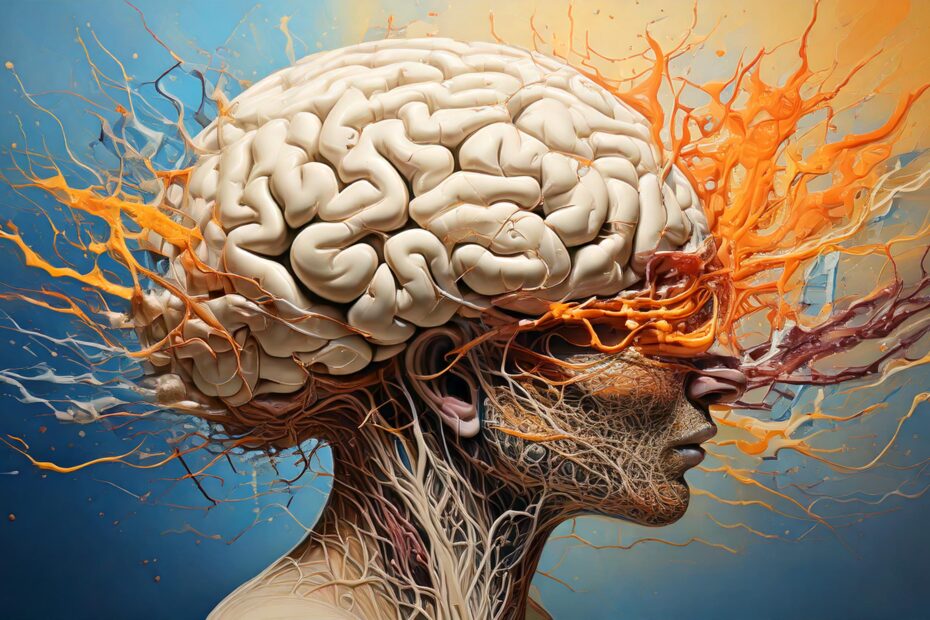
Did you know that the three brains of the customer influence every consumer’s decision-making process? In neuromarketing, this concept is known as neuromapping, which divides the brain into three key areas: the reflective brain, the intuitive brain, and the primitive brain. Each of these brains plays a different role in processing information, emotions, and decisions. In this article, we will explore how these three brains function and why the primitive brain is the primary target for marketers.
Key Takeaways
- The brain is divided into three parts: the reflective brain (logical thinking), the intuitive brain (emotions), and the primitive brain (survival instincts)
- The reflective brain processes logical reasoning and data, but appeals to slower, more deliberate decision-making
- The intuitive brain drives emotional responses and creates brand loyalty through emotional storytelling and evocative imagery
- The primitive brain controls survival instincts and often makes the final purchasing decision based on simplicity and immediate benefits
- Before-and-after scenarios are highly effective for engaging the primitive brain because they show clear, immediate results and problem solutions
- Simple, clear layouts and messaging resonate with the brain’s preference to conserve energy; complicated ads lead to disengagement and reduced effectiveness
🎙️ Unpack the Topic with this Podcast
The Three Brains of the Customer: Reflective, Intuitive, and Primitive
While the brain is often discussed in terms of its anatomical structure, neuromapping focuses on the cognitive functions of the three brains of the customer, each contributing to a consumer’s decision-making process.
1. The Reflective Brain (Neocortex)
The reflective brain, located in the neocortex, is responsible for rational thinking, data processing, and conscious decision-making. This part of the brain helps consumers analyze information, compare products, and make logical choices.
- What It Does: The reflective brain handles logical reasoning and processes complex information like product features, comparisons, and reviews.
- Marketing Strategy: While the reflective brain is important, it often plays a supporting role. Clear data, product benefits, and rational arguments should be provided, but these appeal to more deliberate, slower decision-making processes.
Example: When consumers compare the technical specifications of two smartphones, the reflective brain is at work, analyzing which phone offers better value based on its features and price.
2. The Intuitive Brain (Limbic System)
The intuitive brain, located in the limbic system, is the seat of emotions, feelings, and deep-seated sentiments. This brain area influences how consumers feel about a brand, product, or service, making it critical for emotional marketing.
- What It Does: The intuitive brain processes emotional responses to advertisements, images, and brand stories. It’s where consumers develop loyalty and emotional connections to brands.
- Marketing Strategy: To appeal to the intuitive brain, marketers should focus on emotional storytelling, evocative imagery, and brand experiences that evoke strong feelings. Ads that make consumers feel nostalgia, joy, or comfort engage the intuitive brain.
Example: A heartwarming advertisement for a family vacation triggers emotional responses in the intuitive brain, making consumers associate the brand with happy memories and positive emotions.
3. The Primitive Brain (Reptilian Brain)
The primitive brain, or reptilian brain, controls basic survival instincts and is the primary target for advertisers. This part of the brain is responsible for instinctual decision-making, and it often drives the final choice in purchasing decisions.
- What It Does: The primitive brain reacts to simple, clear stimuli and makes snap judgments based on survival instincts. It looks for safety, comfort, and instant gratification. Marketers aim to trigger the primitive brain by using simple, direct messaging, and before-and-after scenarios.
- Marketing Strategy: To appeal to the primitive brain, use basic visual cues, short and clear messages, and quick emotional triggers. Ads that present a problem-and-solution format, such as before-and-after images, work particularly well.
Example: Laundry detergent ads that show a simple before-and-after scenario—dirty clothes becoming clean—are designed to appeal to the primitive brain, which responds to clear, immediate results.
Why the Primitive Brain Is the Main Target for Marketers
While all three brains contribute to decision-making, the primitive brain often has the final say. This is because it controls the automatic, instinctual responses that influence whether a consumer makes a purchase. It seeks out simplicity, clarity, and security, making it especially responsive to clear visual messages and immediate benefits.
Marketing Strategy: Ads that use simple imagery, such as smiling faces, clear product benefits, and easy-to-understand scenarios, are more likely to activate the primitive brain and lead to quicker purchasing decisions.
The Power of Before-and-After Scenarios
One of the most effective ways to engage the primitive brain is through before-and-after scenarios. These visuals show a problem (the “before” state) and a solution (the “after” state), providing a clear and satisfying resolution to the consumer’s needs.
- Example: A weight loss commercial that shows the transformation of a person from overweight to fit directly appeals to the primitive brain, which is driven by the instinct to seek out immediate improvements and tangible benefits.
The Lazy Brain: Why Simplicity Matters
The brain, especially the primitive brain, tends to be lazy. It prefers to conserve energy by processing information in the simplest and most efficient way possible. This is why advertisements that are complicated or visually cluttered can overwhelm the brain, leading to disengagement.
Marketing Strategy: To keep the primitive brain engaged, use simple layouts, clear headlines, and visual cues that follow the brain’s natural gaze path (from left to right). The goal is to make it as easy as possible for the brain to process the message and react.
Example: A billboard that uses a short, impactful slogan and a single, compelling image is far more effective than one overloaded with text and visuals. The primitive brain quickly processes the information and makes a snap judgment.
Conclusion
Understanding the three brains of the customer—reflective, intuitive, and primitive—can give marketers a significant edge in designing effective campaigns. By tailoring messages to appeal to the rational, emotional, and instinctual parts of the brain, brands can create deeper connections with consumers and influence their purchasing decisions.
Sources
- Kahneman, D., & Tversky, A. (1974). “Judgment under Uncertainty: Heuristics and Biases.” Science, 185(4157), 1124-1131.
- Kahneman, D. (2011). Thinking, Fast and Slow. Farrar, Straus and Giroux.
- Cialdini, R. B. (2009). Influence: Science and Practice. Pearson Education.
- Desmurget, M., Bonnet, M., & Trentz, O. (2008). Neuromarketing: Is There a ‘Buy’ Button in the Brain? The Neuroscientist, 14(3), 207-210.
- MacLean, P. D. (1990). The Triune Brain in Evolution. Plenum Press.

Vincent Heimann is a marketing project manager and neuromarketing enthusiast. He founded The Brain Marketer to bridge neuroscience and marketing through accessible, science-based content. With over 10 years of experience in digital strategy, UX/UI and communication, he shares practical insights to help brands connect with the human brain — ethically and effectively